
- English
- Español
- Português
- русский
- Français
- 日本語
- Deutsch
- tiếng Việt
- Italiano
- Nederlands
- ภาษาไทย
- Polski
- 한국어
- Svenska
- magyar
- Malay
- বাংলা ভাষার
- Dansk
- Suomi
- हिन्दी
- Pilipino
- Türkçe
- Gaeilge
- العربية
- Indonesia
- Norsk
- تمل
- český
- ελληνικά
- український
- Javanese
- فارسی
- தமிழ்
- తెలుగు
- नेपाली
- Burmese
- български
- ລາວ
- Latine
- Қазақша
- Euskal
- Azərbaycan
- Slovenský jazyk
- Македонски
- Lietuvos
- Eesti Keel
- Română
- Slovenski
- मराठी
- Srpski језик

How Can the Right Shopping Bag Cut Costs, Elevate Branding, and Make Retail Packaging Smarter?
Summary
A good Shopping Bag is not just a simple carrier. It affects customer experience, product safety, store image, repeat exposure, and even procurement efficiency. Buyers often struggle with questions that seem small at first but become expensive later: Which material should be used? How thick should the bag be? What handle style is less likely to fail? How can a bag look premium without pushing the budget too far? This article breaks those problems down in a practical way, explains how to choose the right Shopping Bag for different retail and promotional scenarios, and shows how thoughtful customization can turn ordinary packaging into a useful business asset.
Table of Contents
- Outline
- Why does a Shopping Bag matter more than many buyers expect?
- What problems does the wrong Shopping Bag create?
- Which Shopping Bag materials fit different business needs?
- How can buyers control cost without sacrificing performance?
- Why does a well-designed Shopping Bag strengthen brand memory?
- What should buyers ask before choosing a Shopping Bag supplier?
- FAQ
- Conclusion
Outline
- The business value behind a Shopping Bag
- Common packaging pain points in retail, gifting, events, and promotions
- Material comparison for PE, PVC, paper, non-woven, and canvas options
- Ways to balance price, durability, print effect, and order efficiency
- How custom details improve the customer’s impression of a brand
- A buyer’s checklist for supplier selection and product evaluation
Why does a Shopping Bag matter more than many buyers expect?
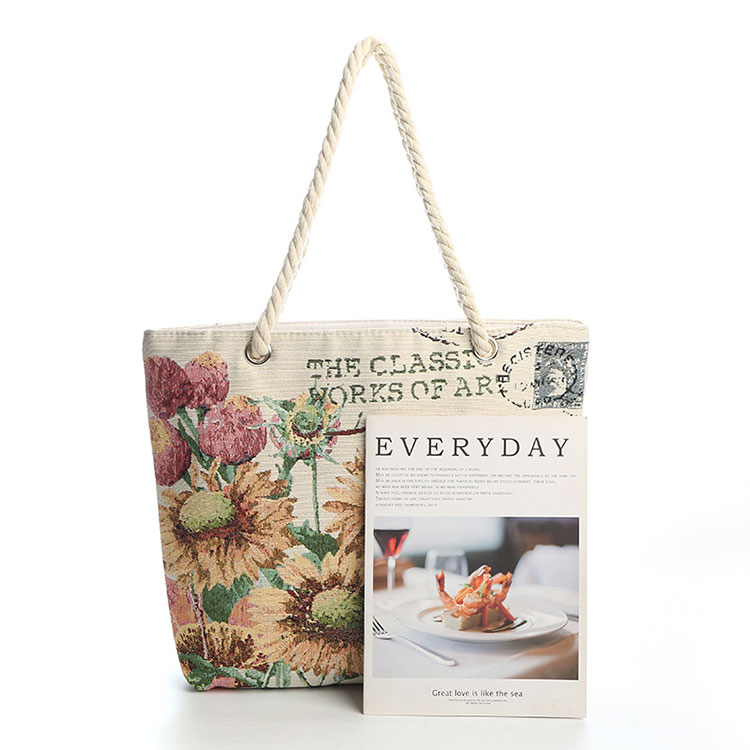
Many companies still treat packaging as the final line item on a quotation sheet, something to confirm quickly once the main product is done. That mindset usually leads to rushed decisions, generic results, and unnecessary complaints after delivery. In reality, a Shopping Bag touches several business goals at once. It protects the product during carrying, shapes the buyer’s first physical impression of the brand, influences whether customers feel the purchase is worth the price, and keeps the brand visible after the transaction is over.
In stores, at exhibitions, in boutiques, in gift campaigns, and even in supermarket promotions, the bag is often the last branded item a customer touches before leaving. That moment matters. If the bag feels weak, looks cheap, or tears under normal weight, the purchase experience drops immediately. If it looks neat, holds its shape, and carries the logo well, the brand appears more deliberate and more trustworthy.
This is exactly why more professional buyers now look at Shopping Bag selection as part of product presentation, not as a disposable afterthought. A strong bag does not simply carry goods. It carries perception.
What problems does the wrong Shopping Bag create?
Buyers usually notice packaging mistakes too late. On paper, a low-cost bag can look attractive. In practice, the hidden cost appears after the order arrives or once customers start using it. The most common problems are not dramatic, but they stack up fast.
- Handle failure: A bag that looks fine may still fail at the handle sealing point once weight increases.
- Wrong size: Bags that are too narrow, too shallow, or too short make products hard to load and awkward to carry.
- Poor material match: A glossy item may need a transparent or premium-looking bag, while a daily retail item may need a more economical option.
- Weak print performance: Logos may blur, fade, scratch, or lose visual impact on the wrong surface.
- Overengineering: Some buyers pay for thickness, finishes, or structures that their actual use case does not need.
- Low repeat value: If the bag is unattractive or inconvenient, customers throw it away immediately, which cuts off any chance of repeated brand exposure.
These pain points are especially common when a business orders by price alone, without reviewing bag usage, product weight, customer profile, and display goals together. The right Shopping Bag should solve a carrying problem first, but it should also support visual identity, convenience, and consistency.
| Common Buyer Pain Point | Likely Cause | Better Direction |
|---|---|---|
| Bag tears too easily | Material or thickness is too light for the product load | Match thickness and handle style to actual carrying weight |
| Branding looks ordinary | Low contrast printing or the wrong bag finish | Adjust material texture, color, and print placement |
| Packaging cost climbs too high | Unnecessary custom details or poor size planning | Simplify structure and customize only what adds value |
| Customer complaints after pickup | Handle discomfort, weak sealing, or limited capacity | Test grip, loading, and daily use before mass production |
Which Shopping Bag materials fit different business needs?
This is where many purchase decisions become much easier. Instead of asking which material is best in general, it is smarter to ask which material fits the job. A boutique, a gift campaign, a cosmetics launch, a supermarket, and a trade show do not need the same bag.
| Material | Best Use | Main Advantage | Watch-Out Point |
|---|---|---|---|
| PE | Daily retail, supermarkets, promotions | Flexible, practical, cost-friendly | Should be specified carefully for thickness and handle load |
| PVC | Fashion, cosmetics, display-oriented packaging | Clear or glossy visual effect, strong presentation value | Needs good finishing to keep appearance clean and refined |
| Paper | Gift stores, boutiques, premium retail | Elegant print performance and strong shelf impression | Must consider moisture and load resistance |
| Non-woven | Events, campaigns, reusable promotions | Reusable and easy for large-scale distribution | Printing and shape must match brand positioning |
| Canvas | Lifestyle brands, gift retail, long-term reuse | Strong durability and higher perceived value | Usually higher cost and heavier freight weight |
On the product side, Ningbo Yiduo Plastic Products co.,Ltd. presents several Shopping Bag options that reflect this practical logic, including PE and PVC styles as well as customized bag solutions for different presentation and carrying needs. That kind of category range is useful for buyers because it allows them to compare structure, appearance, and application without forcing one material into every scenario.
A smart buyer usually decides in this order: use case first, load second, visual goal third, and budget fourth. Once those are clear, the material choice becomes far less confusing.
How can buyers control cost without sacrificing performance?
One of the most common misunderstandings in packaging procurement is the idea that cheaper unit price always means better value. It often does not. The better way to evaluate a Shopping Bag is to look at total cost in use. A bag that fails, looks poor, or does not fit the product correctly can create rework, waste, complaints, and rushed reorders.
Buyers who want to keep budgets under control should focus on these areas:
- Specify realistic loading requirements. Do not pay for extra thickness if the product is lightweight, but do not underbuild a bag for heavier items.
- Choose size based on the actual product set. Oversized bags waste material and reduce visual neatness.
- Keep printing purposeful. A clean logo, a good layout, and one or two strong brand colors often work better than an overcrowded design.
- Test handle comfort and sealing strength. These small details affect real-world customer feedback more than many buyers expect.
- Review freight and storage implications. Bulkier or heavier packaging changes logistics cost, not just manufacturing cost.
In other words, the goal is not to buy the cheapest Shopping Bag. The goal is to buy the most suitable one with the fewest expensive surprises. That shift in thinking usually leads to better long-term results.
Why does a well-designed Shopping Bag strengthen brand memory?
A customer may forget a printed flyer in minutes. A well-made bag is different. It travels. It appears in public. It may be reused at work, in transit, or on another shopping trip. That makes a Shopping Bag one of the most practical forms of moving brand visibility.
Good design here does not mean overdesign. It means the bag looks intentional. The logo is placed where it can be seen easily. The proportions feel balanced. The colors fit the brand rather than fighting with it. The handle is comfortable enough that people do not want to get rid of it immediately. Even something as simple as a clean transparent PVC structure or a soft-touch PE bag can change how the purchase is remembered.
This matters even more in sectors where emotional impression supports conversion: gifts, beauty, accessories, seasonal retail, souvenirs, and promotional merchandise. In those categories, packaging is part of the product story. When the bag looks careless, the brand feels careless. When the bag feels sturdy and polished, the whole purchase feels more complete.
Simple rule: if customers are likely to carry the bag in visible public spaces, its design should be treated as a branding tool, not merely a transport item.
What should buyers ask before choosing a Shopping Bag supplier?
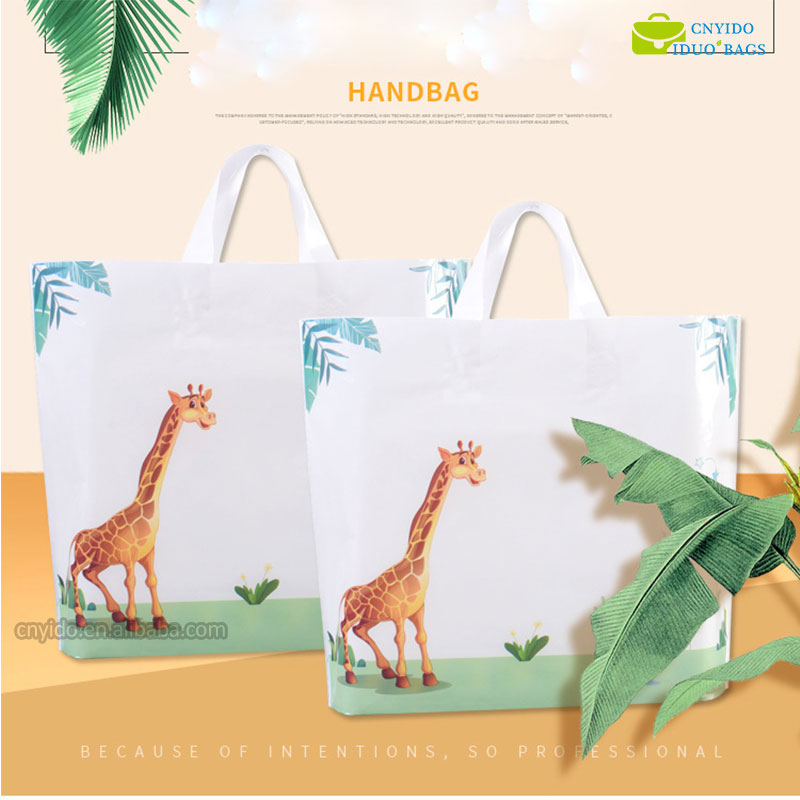
A good supplier does more than quote. The right partner helps prevent wrong decisions before they become large orders. Buyers should not hesitate to ask specific questions, because the quality of the answers often reveals how dependable the supplier really is.
- Can the supplier recommend material and thickness based on product weight and usage frequency?
- Are custom sizes, colors, printing methods, and handle styles available?
- Can samples be reviewed before final production?
- How does the supplier help reduce avoidable cost without weakening functionality?
- What details are checked during production to maintain consistency?
- Can the supplier handle different visual directions, from economical retail packaging to more premium promotional presentation?
Buyers are usually in a stronger position when they compare not only price but also responsiveness, customization clarity, and category understanding. A supplier that already works across multiple bag types is often easier to communicate with, because they can explain trade-offs more directly instead of pushing a one-size-fits-all answer.
That is also why businesses reviewing a new Shopping Bag partner should look for practical problem-solving, not just polished sales language. Clear communication, realistic recommendations, and sample-based confirmation usually save more trouble than aggressive promises.
FAQ
Q1: What is the most important factor when choosing a Shopping Bag?
The most important factor is fitness for use. A Shopping Bag should match product weight, store positioning, customer expectations, and desired print effect. A bag that looks attractive but performs poorly is still the wrong choice.
Q2: Which material is better for everyday retail, PE or PVC?
PE is often chosen for everyday retail because it is flexible and cost-conscious. PVC is more often selected when visual impact, structure, or a transparent presentation effect matters more. The better option depends on the use case, not on a universal rule.
Q3: How can I make a Shopping Bag look more premium without overspending?
Focus on the details that customers actually notice: proportion, print clarity, color coordination, handle comfort, and surface cleanliness. A simpler design with better execution often feels more premium than a complex design with too many cost-driven compromises.
Q4: Should I always request custom printing?
Not always. Custom printing makes sense when brand recognition and presentation matter. For some high-volume or temporary uses, a simpler unprinted or lightly branded solution may be more efficient. The best decision depends on whether the bag is only functional or also promotional.
Q5: Why do sample reviews matter before production?
Samples allow buyers to check size, feel, print effect, handle comfort, and overall appearance in real conditions. That step can reveal issues that a digital mockup or product description will never show clearly.
Conclusion
A better Shopping Bag decision usually comes from asking better questions. What does the bag need to carry? How should it represent the brand? Where can cost be controlled safely, and where would cutting corners hurt the final experience? Buyers who answer those questions early are far more likely to end up with packaging that is practical, attractive, and commercially sensible.
For businesses that want a more tailored packaging approach, working with a supplier that understands different bag structures, materials, and customization paths can make the process much easier. If you are comparing options for your next Shopping Bag project and want packaging that supports both function and presentation, Ningbo Yiduo Plastic Products co.,Ltd. is worth exploring further. If you are ready to discuss sizes, materials, printing, or custom requirements for your next order, contact us to start the conversation.
